
- English
- Español
- Português
- русский
- Français
- 日本語
- Deutsch
- tiếng Việt
- Italiano
- Nederlands
- ภาษาไทย
- Polski
- 한국어
- Svenska
- magyar
- Malay
- বাংলা ভাষার
- Dansk
- Suomi
- हिन्दी
- Pilipino
- Türkçe
- Gaeilge
- العربية
- Indonesia
- Norsk
- تمل
- český
- ελληνικά
- український
- Javanese
- فارسی
- தமிழ்
- తెలుగు
- नेपाली
- Burmese
- български
- ລາວ
- Latine
- Қазақша
- Euskal
- Azərbaycan
- Slovenský jazyk
- Македонски
- Lietuvos
- Eesti Keel
- Română
- Slovenski
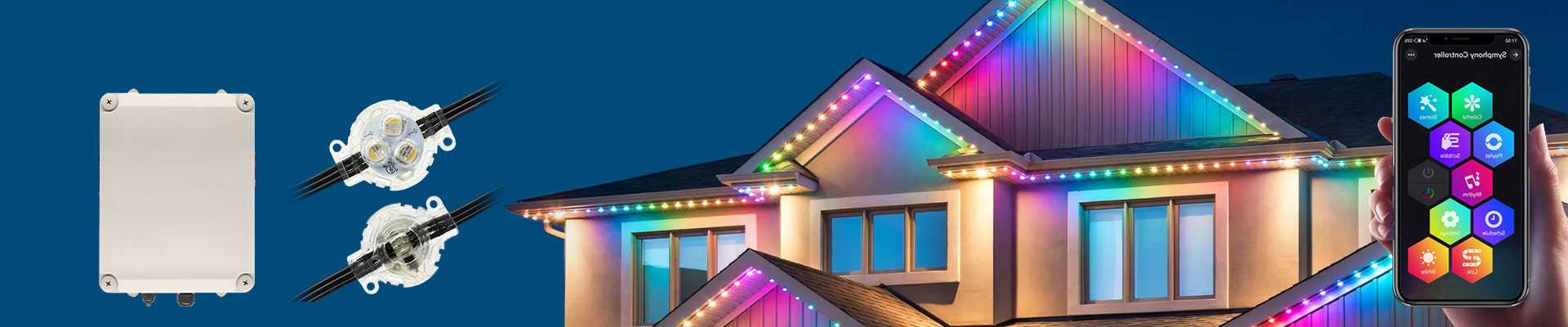
Purchase Commercial Lighting for High - Efficiency Energy Use
Enhancing Your Business with Advanced Lighting Solutions
Effective lighting is crucial for any commercial space, influencing productivity, safety, and customer experience. Modern Commercial Lighting systems are engineered to provide optimal illumination while maximizing energy efficiency and reducing operational costs. This guide provides a detailed look into the technical specifications, benefits, and common queries surrounding high-performance commercial lighting solutions.
Key Product Categories and Their Parameters
Commercial lighting encompasses a variety of fixture types, each designed for specific environments and applications. Below is an overview of the main categories and their core attributes.
-
LED High Bay Lights: Ideal for warehouses, gymnasiums, and industrial settings with high ceilings.
- Luminous Flux: 20,000 to 50,000 lumens
- Color Temperature: 4000K to 5000K (Cool White)
- CRI (Color Rendering Index): 80+
- Input Voltage: 100-277V AC
- Warranty: 5 to 10 years
-
LED Troffers and Panel Lights: Used in offices, hospitals, and educational institutions for uniform ceiling lighting.
- Luminous Flux: 2,000 to 4,000 lumens per panel
- Color Temperature: 3500K to 5000K (Selectable)
- CRI: 85+
- Dimming Capability: 0-10V / DALI compatible
- Lifespan: 50,000 hours
-
LED Floodlights and Area Lights: Designed for outdoor applications such as parking lots, building facades, and sports fields.
- Luminous Flux: 10,000 to 30,000 lumens
- Ingress Protection (IP) Rating: IP65 to IP67
- Color Temperature: 3000K to 5700K
- Operating Temperature: -40°C to 50°C
- Mounting Options: Pole, wall, or trunnion
-
Linear LED Lights and Strip Lights: Perfect for architectural accents, retail displays, and under-cabinet lighting.
- Luminous Flux: 500 to 1,500 lumens per foot
- Color Options: RGB, RGBW, Tunable White
- CRI: 90+ for high color accuracy
- Control Systems: DMX, Bluetooth, Wi-Fi
- Flexibility: Can be cut to custom lengths
Detailed Technical Comparison Table
To assist in selecting the right fixture, the following table compares key parameters across different commercial lighting types.
| Fixture Type | Typical Application | Average Lumens | Color Temp (K) | CRI | Power Consumption (W) | Lifespan (Hours) | Warranty (Years) |
|---|---|---|---|---|---|---|---|
| LED High Bay | Warehouses, Industrial | 20,000 - 50,000 | 4000 - 5000 | 80+ | 150 - 400 | 100,000 | 5 - 10 |
| LED Troffer | Offices, Hospitals | 2,000 - 4,000 | 3500 - 5000 | 85+ | 20 - 40 | 50,000 | 3 - 5 |
| LED Floodlight | Parking Lots, Stadiums | 10,000 - 30,000 | 3000 - 5700 | 70+ | 100 - 300 | 75,000 | 5 |
| Linear LED | Retail, Architectural | 500 - 1,500/ft | 2700 - 6500 | 90+ | 10 - 20 per ft | 50,000 | 3 - 5 |
Benefits of Upgrading to Modern Commercial Lighting Systems
Transitioning to advanced commercial lighting offers numerous advantages that extend beyond simple illumination. These systems are designed to enhance the overall functionality and economic performance of a business.
- Energy Efficiency: LED technology consumes significantly less electricity compared to traditional lighting like fluorescent or metal halide, leading to lower utility bills and a reduced carbon footprint.
- Longevity and Durability: With lifespans exceeding 50,000 hours, these fixtures require fewer replacements, minimizing maintenance costs and disruptions to business operations.
- Improved Light Quality: High CRI values ensure colors appear true and vibrant, which is essential in retail environments, galleries, and workspaces where visual accuracy is critical.
- Smart Controls Integration: Many modern systems are compatible with sensors, timers, and networked controls, allowing for automated lighting schedules, occupancy-based activation, and daylight harvesting to further save energy.
- Safety and Compliance: Proper illumination reduces accident risks in workplaces and helps meet industry-specific regulatory standards for lighting levels and emergency egress.
Frequently Asked Questions (FAQ)
Here are some common questions and detailed answers to help you understand commercial lighting better.
What factors should I consider when choosing commercial lighting for my facility?
Consider the primary use of the space (e.g., office, warehouse, retail), ceiling height, required light levels (measured in foot-candles or lux), color temperature for the desired ambiance, energy efficiency goals, and any smart lighting or control system requirements. It's also important to evaluate the fixture's IP rating for outdoor or harsh environments.
How much can I save on energy costs by switching to LED commercial lighting?
Savings vary based on your current lighting and usage, but typically, LED fixtures use 50-75% less energy than traditional options. For a medium-sized warehouse, this can translate to thousands of dollars in annual savings, with a return on investment often achieved within 1-3 years through reduced electricity bills and lower maintenance.
Are there rebates or incentives available for upgrading to energy-efficient commercial lighting?
Yes, many utility companies and government programs offer rebates, tax incentives, or grants for businesses that install energy-efficient lighting systems. These programs aim to encourage sustainability and reduce overall energy demand. Check with your local utility provider or energy efficiency organizations for available offers in your area.
What is the difference between lumens and watts in commercial lighting?
Watts measure the amount of electrical power a fixture consumes, while lumens measure the total amount of visible light produced. With LED technology, you achieve higher lumens per watt, meaning more light output for less energy. When selecting fixtures, focus on lumens to ensure adequate brightness, rather than watts.
Can commercial lighting systems be integrated with building automation systems?
Absolutely. Many modern LED fixtures and control systems support protocols like DALI, 0-10V dimming, or wireless standards such as Zigbee or Bluetooth. This allows seamless integration with broader building management systems for centralized control, monitoring, and optimization of lighting, HVAC, and security.
How do I determine the appropriate color temperature for different commercial spaces?
Color temperature, measured in Kelvin (K), affects the mood and functionality of a space. Use lower temperatures (2700K-3500K) for warm, inviting atmospheres in restaurants or hotels. Neutral white (3500K-4500K) is ideal for offices and classrooms to promote alertness. Cool white (5000K-6500K) is best for tasks requiring high visual acuity, such as in laboratories or manufacturing areas.
What maintenance is required for LED commercial lighting fixtures?
LED fixtures require minimal maintenance due to their long lifespan and durability. Periodic cleaning of lenses and reflectors to prevent dust accumulation is recommended to maintain optimal light output. Unlike traditional lights, LEDs do not have filaments or gases that degrade quickly, so replacements are infrequent. Always follow the manufacturer's guidelines for specific maintenance procedures.
Are there lighting solutions specifically designed for hazardous locations?
Yes, there are commercial lighting fixtures certified for hazardous locations where flammable gases, vapors, or dust may be present. These fixtures meet standards such as UL 844 or ATEX and are designed with enclosures that prevent ignition. They are commonly used in oil refineries, chemical plants, and grain processing facilities.
- View as

Garage Light
China IPX Newest Durable Garage light is a newly newly developed and designed lighting product. Garage lights are more convenient, easy to install and adjust to meet a wide range of lighting requirements. The product has UL certification and a quality inspection certificate. Combining usage scenarios and practicality, it is an ideal choice for enhancing workspaces, highlighting retail displays, or creating a comfortable atmosphere in residential environments. This is a great choice for buyers seeking fashionable and practical lighting solutions as well as for home decoration and landscape lighting.
Read MoreSend Inquiry
As a reliable Commercial Lighting manufacturer and supplier in China, we have our factory. If you want to buy quality and classy products, please contact us.