
- English
- Español
- Português
- русский
- Français
- 日本語
- Deutsch
- tiếng Việt
- Italiano
- Nederlands
- ภาษาไทย
- Polski
- 한국어
- Svenska
- magyar
- Malay
- বাংলা ভাষার
- Dansk
- Suomi
- हिन्दी
- Pilipino
- Türkçe
- Gaeilge
- العربية
- Indonesia
- Norsk
- تمل
- český
- ελληνικά
- український
- Javanese
- فارسی
- தமிழ்
- తెలుగు
- नेपाली
- Burmese
- български
- ລາວ
- Latine
- Қазақша
- Euskal
- Azərbaycan
- Slovenský jazyk
- Македонски
- Lietuvos
- Eesti Keel
- Română
- Slovenski

Why Is Smart Lighting Becoming Essential for Smart Homes and Smart Cities
Smart lighting is no longer a futuristic concept—it has become a practical, scalable, and intelligent solution for homes, commercial buildings, and urban infrastructure. By combining advanced LED technology, wireless communication, automation, and data analytics, smart lighting systems deliver significant benefits in energy efficiency, user comfort, safety, and sustainability.
This in-depth article explores why smart lighting is becoming essential for smart homes and smart cities. We examine how it works, its core components, real-world applications, economic and environmental benefits, and future development trends. Drawing on industry practices and solutions offered by companies such as Pixel, this guide is designed to help decision-makers, engineers, and end users understand the long-term value of investing in smart lighting systems.
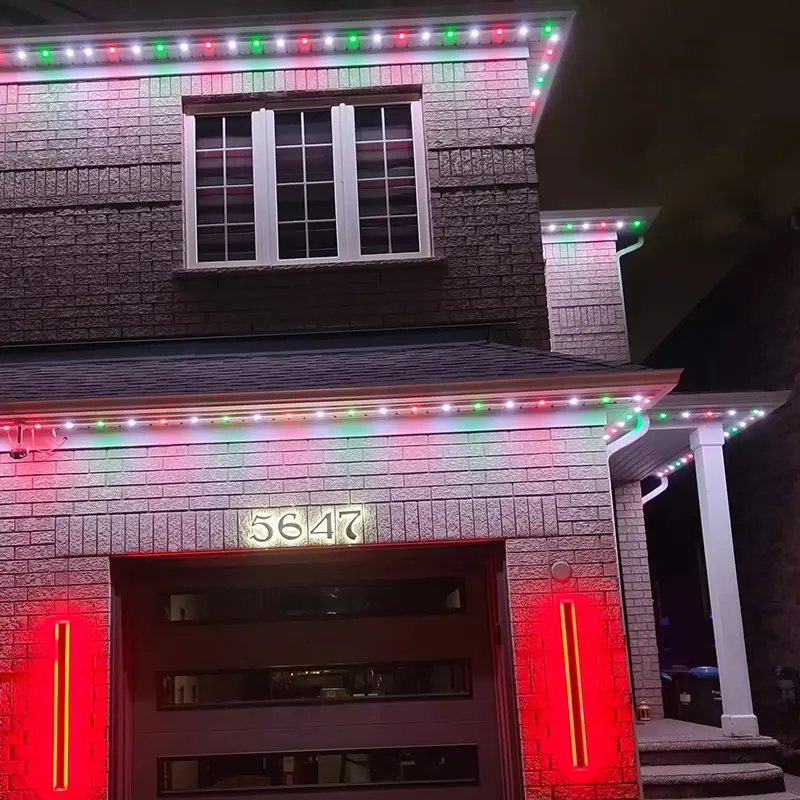
Table of Contents
- What Is Smart Lighting?
- How Is Smart Lighting Different from Traditional Lighting?
- Core Components of a Smart Lighting System
- Key Benefits of Smart Lighting
- Why Smart Lighting Is Essential for Smart Homes
- Why Smart Lighting Is Critical for Smart Cities
- Applications of Smart Lighting
- Smart Lighting vs Traditional Lighting Comparison
- Future Trends in Smart Lighting
- Frequently Asked Questions
- Conclusion & Call to Action
What Is Smart Lighting?
Smart lighting refers to an intelligent lighting system that uses connected LED luminaires, sensors, controllers, and software platforms to automatically adjust lighting behavior based on user preferences, environmental conditions, and real-time data. Unlike conventional lighting, smart lighting can be remotely monitored, programmed, and optimized through mobile apps, cloud platforms, or building management systems.
At its core, smart lighting integrates hardware and software to deliver adaptive illumination. It can respond to occupancy, daylight availability, time schedules, and even human behavior patterns. According to industry insights from smart lighting solutions, these systems are designed not only to save energy but also to enhance quality of life and operational efficiency.
How Is Smart Lighting Different from Traditional Lighting?
Traditional lighting systems are static: lights are either on or off, with limited dimming capability and no intelligence. Smart lighting, on the other hand, is dynamic and responsive. It transforms lighting into an interactive service rather than a fixed utility.
- Traditional lighting requires manual control.
- Smart lighting enables automation and remote management.
- Traditional systems consume constant power.
- Smart lighting optimizes energy use in real time.
Core Components of a Smart Lighting System
A complete smart lighting ecosystem consists of several interconnected components working together:
- Smart LED Luminaires: High-efficiency LED fixtures with embedded drivers.
- Sensors: Motion, occupancy, daylight, and environmental sensors.
- Controllers & Gateways: Devices that manage communication between lights and platforms.
- Communication Protocols: Zigbee, Bluetooth, Wi-Fi, DALI, or LoRa.
- Software Platforms: Cloud or local systems for monitoring and analytics.
Key Benefits of Smart Lighting
Smart lighting offers multiple advantages across residential, commercial, and municipal environments:
- Energy Efficiency: Reduce electricity consumption by up to 70%.
- Operational Savings: Lower maintenance and management costs.
- User Comfort: Personalized lighting scenes and adaptive brightness.
- Safety & Security: Improved visibility and automated emergency responses.
- Data Insights: Actionable analytics for space optimization.
Why Smart Lighting Is Essential for Smart Homes
In smart homes, lighting plays a central role in creating a connected living environment. Smart lighting systems integrate seamlessly with voice assistants, security systems, and energy management platforms.
Homeowners benefit from features such as automated schedules, mood lighting, remote control, and energy monitoring. With smart lighting, users can adjust lighting scenes for work, relaxation, or entertainment—all from a smartphone.
Why Smart Lighting Is Critical for Smart Cities
Urban environments consume massive amounts of energy through public lighting. Smart lighting enables cities to dramatically reduce energy consumption while improving public safety and urban aesthetics.
Smart street lighting can automatically dim during low-traffic hours, detect faults in real time, and integrate with smart city platforms. Companies like Pixel are actively supporting these large-scale deployments by providing reliable and scalable smart lighting solutions.
Applications of Smart Lighting
- Residential buildings and apartments
- Commercial offices and retail spaces
- Industrial facilities and warehouses
- Street lighting and public infrastructure
- Hospitals, schools, and transportation hubs
Smart Lighting vs Traditional Lighting
| Aspect | Traditional Lighting | Smart Lighting |
|---|---|---|
| Energy Efficiency | Low | Very High |
| Control | Manual | Automated & Remote |
| Maintenance | Reactive | Predictive |
| Scalability | Limited | Highly Scalable |
Future Trends in Smart Lighting
The future of smart lighting lies in deeper integration with AI, IoT, and big data platforms. Predictive analytics, human-centric lighting, and adaptive urban lighting systems will define the next generation of intelligent illumination.
Frequently Asked Questions
Is smart lighting expensive to install?
Initial costs may be higher than traditional lighting, but long-term energy savings and reduced maintenance quickly offset the investment.
Can smart lighting work without the internet?
Many systems offer local control options, though cloud connectivity enhances functionality.
Is smart lighting secure?
With proper encryption and system design, smart lighting systems are highly secure.
Conclusion & Call to Action
Smart lighting is no longer optional—it is a foundational element of smart homes and smart cities. By improving energy efficiency, comfort, safety, and sustainability, smart lighting systems deliver measurable value across every application.
Whether you are planning a residential upgrade or a city-wide lighting project, working with experienced providers like Pixel ensures long-term reliability and performance. If you are ready to explore intelligent lighting solutions tailored to your needs, contact us today to start your smart lighting journey.