The 12V Point Light has become one of the most widely adopted low-voltage lighting solutions for residential, commercial, automotive, and landscape applications. This article explores its structure, benefits, applications, installation methods, and common challenges. It also provides practical guidance for selecting the right configuration and maintaining long-term performance. Whether you are a homeowner upgrading ambient lighting or a contractor designing large-scale lighting systems, this guide will help you understand why 12V point lighting is increasingly preferred for energy-efficient, safe, and flexible illumination solutions.
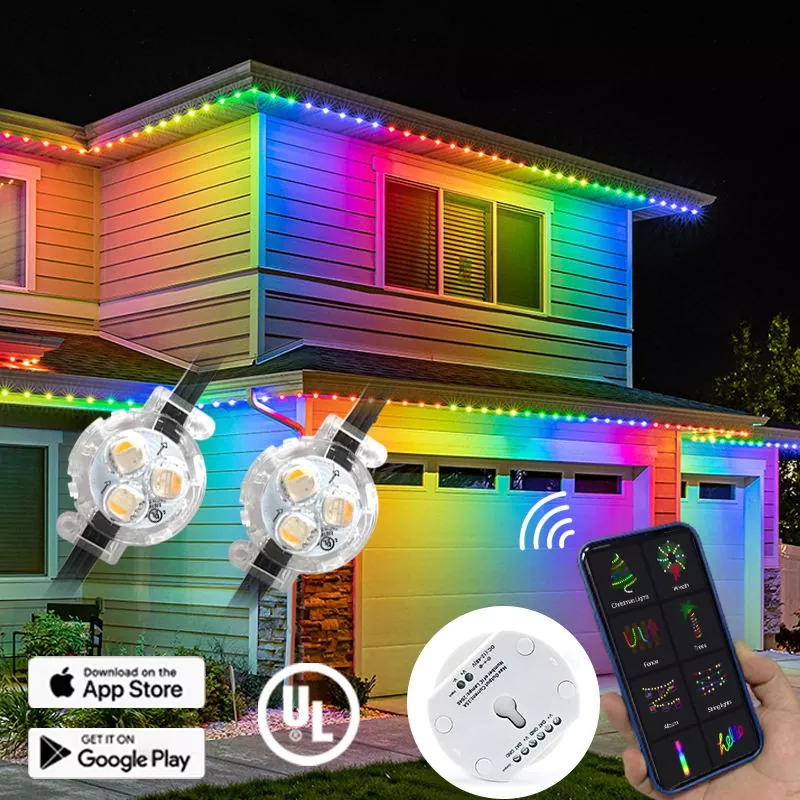
Article Outline
This article provides a structured breakdown of 12V Point Light technology, including its design principles, energy efficiency, application scenarios, and installation best practices. It also addresses common user concerns such as voltage stability, brightness control, and durability in various environments.
1. Introduction to 12V Point Light
Lighting technology has evolved rapidly over the past decade, with a strong shift toward low-voltage, energy-efficient solutions. Among these, the 12V Point Light stands out due to its balance of safety, flexibility, and performance.
Unlike traditional high-voltage lighting systems, 12V point lights operate at a safer voltage level, making them suitable for both indoor and outdoor applications. They are widely used in decorative lighting, architectural accent lighting, automotive interiors, and landscape illumination.
The demand for compact and precise lighting has increased as modern design trends emphasize minimalism and visual clarity. 12V point lights meet these expectations by offering focused illumination in a small, efficient form factor.
2. What is a 12V Point Light?
A 12V Point Light is a low-voltage LED lighting unit designed to emit concentrated light from a single point source. It typically consists of LED chips, a protective housing, wiring, and a 12-volt power input system.
These lights are often used in series or grid configurations to create uniform lighting patterns or decorative effects. Their compact size allows installation in tight spaces where traditional lighting fixtures cannot fit.
Key characteristics include:
-
Low voltage operation (12V DC)
-
Energy-efficient LED technology
-
Compact and modular design
-
High brightness with low heat output
-
Long operational lifespan
3. Key Features and Structure
The performance of 12V point lights depends on several core components and design features. Understanding these helps users select the right product for specific applications.
Core Structure:
-
LED Chip: Provides illumination efficiency and brightness stability.
-
Lens Cover: Controls light diffusion and beam angle.
-
Housing: Protects internal components from dust and moisture.
-
Wiring System: Ensures stable 12V power transmission.
-
Heat Dissipation Layer: Extends lifespan by reducing thermal stress.
Key Features Overview:
|
Feature
|
Description
|
|
Energy Efficiency
|
Consumes significantly less power compared to halogen lights
|
|
Safety
|
Low voltage reduces risk of electric shock
|
|
Durability
|
Long lifespan often exceeding 30,000 hours
|
|
Flexibility
|
Easily adaptable to various installation environments
|
4. Applications in Different Industries
12V Point Light systems are widely used across multiple industries due to their versatility and efficiency.
-
Residential Lighting: Ceiling accents, kitchen under-cabinet lighting, and bedroom ambiance setups.
-
Commercial Spaces: Retail displays, shopping mall decoration, and signage illumination.
-
Landscape Design: Garden pathways, trees, fountains, and outdoor architectural highlights.
-
Automotive Industry: Interior ambient lighting and dashboard accent lighting.
-
Hospitality Sector: Hotels, restaurants, and entertainment venues for mood lighting.
5. Major Benefits of 12V Point Light
Choosing 12V point lighting offers several practical and economic advantages.
-
Energy Savings: Reduces electricity consumption significantly.
-
Enhanced Safety: Ideal for wet or outdoor environments due to low voltage.
-
Design Flexibility: Can be installed in creative patterns and configurations.
-
Low Maintenance: Long lifespan reduces replacement frequency.
-
Eco-Friendly: Lower carbon footprint compared to traditional lighting systems.
6. How to Choose the Right 12V Point Light
Selecting the right product requires careful consideration of several factors.
-
Brightness Level: Choose lumens based on application needs.
-
Color Temperature: Warm white for ambiance, cool white for clarity.
-
Waterproof Rating: Important for outdoor installations.
-
Beam Angle: Determines light spread and focus.
-
Material Quality: Ensures durability and heat resistance.
For large-scale projects, compatibility with power supply systems is also crucial to ensure stable performance.
7. Installation Guide
Proper installation ensures optimal performance and longevity of 12V point lights.
Step-by-step process:
-
Plan lighting layout according to space design.
-
Install 12V power supply unit.
-
Connect wiring in parallel or series depending on design.
-
Secure lights in designated positions.
-
Test system before final fixing.
Professional installation is recommended for complex architectural or commercial setups.
8. Common Issues and Troubleshooting
Although 12V point lights are reliable, users may encounter occasional issues.
-
Flickering Light: Often caused by unstable power supply.
-
Dim Output: May result from voltage drop in long wiring systems.
-
Non-Working Units: Could be due to faulty connections.
-
Overheating: Indicates poor ventilation or overload.
Regular inspection helps prevent most of these issues.
9. Comparison with Traditional Lighting Systems
|
Feature
|
12V Point Light
|
Traditional Lighting
|
|
Energy Efficiency
|
High
|
Low
|
|
Safety
|
Very Safe
|
Moderate Risk
|
|
Lifespan
|
Long
|
Shorter
|
|
Installation Flexibility
|
High
|
Limited
|
10. Maintenance Tips
Maintaining 12V point lights ensures long-term efficiency and performance.
-
Clean lenses regularly to maintain brightness.
-
Inspect wiring connections periodically.
-
Avoid overloading power supply systems.
-
Ensure proper ventilation in enclosed installations.
-
Replace damaged components immediately.
11. Future Trends
The lighting industry is moving toward smarter, more connected systems. 12V point lights are expected to integrate with intelligent control systems, allowing users to adjust brightness, color temperature, and timing through mobile applications.
Future developments may also include improved energy efficiency, enhanced waterproofing for extreme environments, and more compact designs for architectural integration.
12. Frequently Asked Questions
Q1: Are 12V point lights safe for home use?
Yes, they are considered very safe due to low voltage operation.
Q2: Can they be used outdoors?
Yes, especially models with waterproof ratings.
Q3: Do they consume a lot of electricity?
No, they are highly energy-efficient.
Q4: How long do they last?
Typically up to 30,000–50,000 hours depending on usage.
Q5: Can they be dimmed?
Yes, if paired with compatible dimmer systems.
13. Conclusion and Contact
The 12V Point Light represents a modern lighting solution that combines efficiency, safety, and design flexibility. Its wide range of applications makes it suitable for residential, commercial, and industrial environments. As lighting demands continue to evolve, this technology is expected to play an even more important role in future design systems.
For high-quality lighting solutions and customized product support, Shenzhen Pixel Intelligent Co., Ltd. provides professional manufacturing expertise and tailored system integration services.
Contact us today to explore advanced 12V point light solutions designed to meet your project requirements and elevate your lighting experience.